
Zaptas Digital Printer Setup
Make sure to install cartridges, load paper, and power on the printer. Click Download to get the recommended software for your printer.
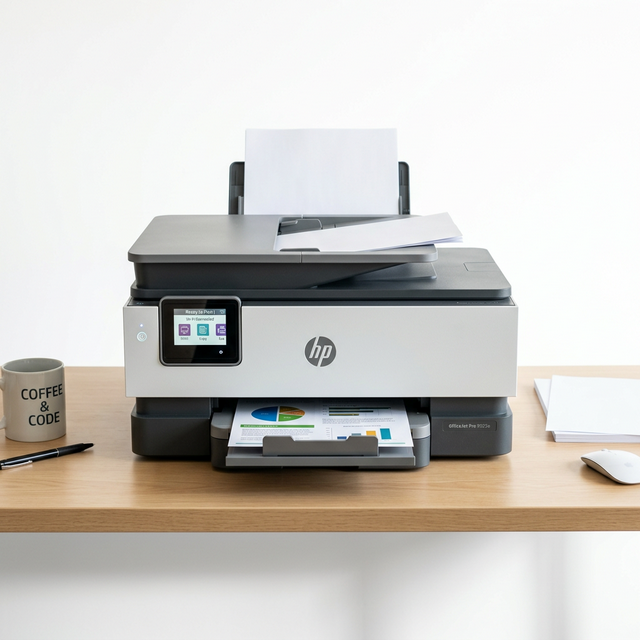
Printer Software
Printer Setup & Configuration Solutions
Installing and configuring a printer correctly is essential for consistent performance and reliable document output.
Clear setup steps ensure smooth communication between your printer, system, and network.
Software Installation
Proper installation ensures your system recognizes the printer correctly from the start.
Network Configuration
Stable wired or wireless connections are essential for smooth printing.
Device Compatibility
Designed to work across multiple operating systems and devices.
Get Started
Common Printer Setup Issues
During printer setup, certain configuration challenges may occur due to device connections, software compatibility, or system preferences. Identifying these common situations early can help ensure smoother installation and consistent printing performance.
Printer Not Detected
In some cases, the system may not recognize the printer after connection. This can happen due to loose cables, inactive ports, outdated system settings, or missing drivers. Verifying physical connections and confirming that the printer is selected as the default device can help resolve detection-related issues.
Wireless Configuration
Wireless printers rely on stable network settings to function properly. Incorrect Wi-Fi credentials, signal interruptions, or router security settings may prevent successful communication. Ensuring the printer and device are connected to the same network often improves wireless printing reliability.
Driver Installation
Printer drivers act as the communication bridge between the system and the device. Using incompatible or outdated drivers may lead to incomplete setup or limited functionality. Installing the correct driver version designed for your operating system helps maintain stable performance and proper feature support.
Addressing these common setup areas helps minimize interruptions and supports reliable printer operation across different usage environments.
Step-by-Step Printer Setup
A well-defined printer setup process plays an important role in achieving smooth operation, accurate output, and long-term reliability. Following each step carefully helps avoid common configuration issues and ensures your printer communicates properly with your system.
Whether you are installing a new device or reconnecting an existing one, these steps focus on preparing the hardware, establishing a stable connection, and configuring essential software settings for everyday use.
- Verify hardware readiness: Ensure the printer is powered on, loaded with paper, and has sufficient ink or toner before beginning the setup process.
- Connect the printer: Use a USB cable for direct installation or configure wireless/network settings for shared access across multiple devices.
- Install compatible software: Download and install the correct driver and utilities designed for your printer model and operating system version.
- Adjust print preferences: Set default options such as paper size, orientation, print quality, and color preferences to match your usage needs.
- Confirm functionality: Run a test print to confirm that the printer responds correctly and produces clean, accurate output.
Completing these steps in order helps ensure consistent performance and reduces the chances of connection or output-related interruptions during regular printing tasks.
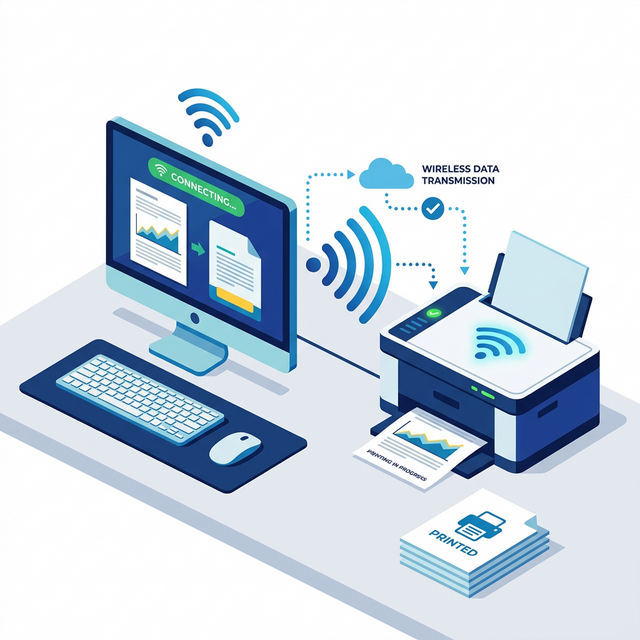
Works Across All Devices
Print from multiple platforms without repeated configuration.
Why Proper Printer Setup Matters
A correctly configured printer ensures consistent output, smoother workflows, and fewer interruptions during everyday printing tasks. Understanding the importance of proper setup helps prevent long-term usability challenges.
Stable Device Communication
Proper configuration allows the printer and system to communicate efficiently. When ports, drivers, and network settings are aligned, print commands are processed smoothly without delays or errors. This ensures reliable document handling across different applications.
Consistent Print Quality
Correct setup ensures that print preferences such as paper size, resolution, and color settings are accurately applied. This results in clear text, balanced colors, and predictable output for both personal and professional printing needs.
Improved Workflow Efficiency
When a printer is configured properly from the start, it reduces repeated setup steps and unnecessary adjustments. This saves time, minimizes disruptions, and supports smoother document processing throughout daily tasks.
Taking the time to configure printer settings correctly helps maintain dependable performance and enhances the overall printing experience.
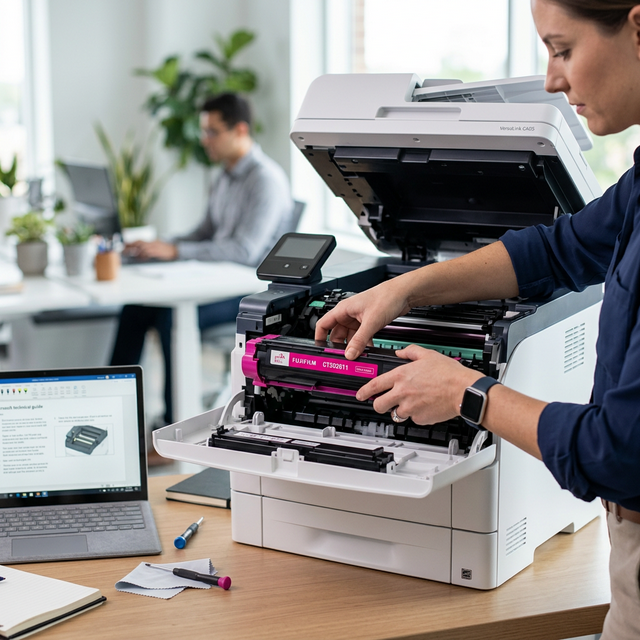
Common Printer Issues & Solutions
Printers are essential devices, but they can sometimes cause headaches due to connection, driver, or paper handling issues. Knowing the common problems and their solutions can save time and ensure smooth printing.
- Printer not responding: Ensure the device is powered on, connected properly via USB or network, and drivers are installed correctly.
- Paper jams: Check the paper tray for misaligned sheets, remove stuck paper carefully, and avoid overloading the tray.
- Poor print quality: Clean the print heads, replace low ink/toner, and adjust print settings to improve output clarity.
- Wireless connectivity issues: Reconnect the printer to your Wi-Fi network, restart devices, or update network credentials if needed.
- Driver/software errors: Download the latest drivers from the official manufacturer website and reinstall if the printer shows errors.
Following these troubleshooting steps helps maintain printer efficiency and avoids delays in printing important documents.
Ready to Configure Your Printer?
Follow the right steps to ensure smooth installation and reliable printing.
Begin Now